
Kurper
Oreochromis, Coptodon and Tilapia species
Kurper is the name SA anglers use for tilapia-type bream: plentiful dam fish for light tackle, and good eating.
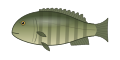
Size: Most kurper on the bank weigh 0.2–1 kg. Blue kurper can pass 3 kg, while vlei kurper seldom reach 20 cm.
Where: Found in dams, rivers and vleis across most of South Africa, especially the warmer north and east. Blue kurper have been stocked far outside their home range, and many town and farm dams hold them.
How to spot it
Kurper are deep, flat-sided fish with a small mouth, a square tail and one long dorsal fin with sharp spines in front. Most are olive, grey or silvery, often with dark vertical bars. Kurper is a catch-all name: if you know which one you caught, log it as blue, Nile, redbreast or banded kurper. The drawings below show the differences.
Varieties and look-alikes
-
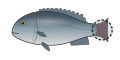 Blue Tilapia - Plain tail with no stripes and a silvery-grey body; breeding males turn black with a white throat.
-
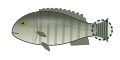 Nile Tilapia - Rows of dark vertical stripes right across the tail fin.
-
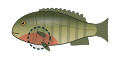 Redbreast Tilapia - Red or pink chest and belly, with faint bars on the side.
-
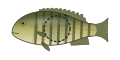 Banded Tilapia - Small and yellowish, with 8–9 bold dark bars down the side.
What it eats
Kurper graze on algae and water plants and pick up insects, worms, small crabs and fish fry. Bigger fish eat more insects and small fish. They feed mainly in daylight.
Where it feeds
- Warm water 2–4 m deep, close to reeds, weed beds and water lilies
- Around sunken trees, rocks and other cover
- Sandy bays where males dig nests in summer
- Deeper water after a cold front
How to catch it
Use light tackle: a light rod, thin line and small hooks, size 8–14. Fish a worm or a pinch of bread under a bobber near the reeds, or on the bottom with a light running sinker. Small kurper tug the bobber about, but a big one often just makes it tilt or slide slowly away, so strike firmly then. Small spinners and nymphs on a fly rod also work in warm, clear water.
| Way of fishing | How well it works |
|---|---|
| Bait on the bottomA sinker holds your bait still on the bottom. | Works well |
| Under a bobberA bobber is a small buoy on your line: it holds the bait off the bottom and dips under when a fish bites. | Best |
| Pap, mielies, boilies and floatsSweet baits on the hook (pap, mielies, boilies or floats), with more thrown in around them. | Works well |
| Natural or dead baitReal food on the hook: worms, liver, sardine, chokka. | Best |
| Live baitA small live fish or other live creature on the hook. | Not used |
| LuresArtificial baits you cast and reel in: spinners, spoons, plastics. | Sometimes |
| Fly fishingLight artificial flies, cast with a fly rod. | Works well |
Baits and lures that work
- Earthworms
- Bread
- Pap
- Sweetcorn
- Crickets, grasshoppers and other insects
- Nymphs
- Spinners
Flavours it likes
- Krill
- Crustacean
- Garlic
Fresh bait matters more than flavour: a lively worm or soft fresh bread. In pap or dough, a krill, prawn or garlic smell helps draw them.
When it bites
Time of day
| Time | Bite |
|---|---|
| Dawn | Good |
| Day | Best |
| Midday | Good |
| Dusk | Good |
| Night | Rarely |
Kurper feed in daylight, best in the morning and afternoon once the sun warms the shallows. They hardly bite at night.
Best months
- Best: January, February, March, October, November, December
- Good: April, May, September
October to March is kurper season. In winter they go deep and sluggish, and below about 16 °C they barely feed.
What affects the bite
| Condition | What it likes | Effect on the bite |
|---|---|---|
| Water temperature | Best at 21–31 °C | High |
| Time of day | Best during the day | Medium |
| Air pressure | Best when steady or falling | High |
| Cloud cover | Best on clear days | Medium |
| Wind | Best with a light breeze | Low |
| Rain | Best in dry weather | Medium |
| Water clarity | Hardly matters | Low |
| Moon phase | Hardly matters | Low |
| Spawning | Hardly changes | Low |
High means it makes a big difference to whether this fish bites. Low means it hardly matters.
Tips
- Kurper shoal by size. If you only catch small ones, cast a metre or two further out for the bigger fish.
- After a cold front, fish deeper and slower, or wait for two or three warm days.
- Hold a kurper by smoothing the dorsal fin down from the front; the spines are sharp.
Good to know: Female blue and Nile kurper carry the eggs and young in their mouths and hardly eat then. Never move live kurper to another dam: that is how Nile tilapia spread.
Are they biting today?
BaitLine's fishing forecast scores today's conditions for Kurper hour by hour - free for everyone. Sign up free and get the whole Fishing guide in the app.